
How Systematic Low-Impact Training Optimizes Physical Longevity
Achieving lasting physical transformation requires analyzing how movement precision, core stabilization, and intentional respiration interact during an exercise session. Fitness enthusiasts frequently cycle through high-intensity aerobic trends while completely ignoring the underlying biomechanical alignment needed to protect joint tissue from excessive wear. Incorporating a dedicated low-impact discipline into your routine serves as a practical way to condition deep structural stabilizers, lower your daily injury thresholds, and balance the moving parts of your musculoskeletal frame.
When your bodily foundations are systematically activated and maintained through controlled kinetic paths, your entire kinetic chain functions with greater mechanical economy. This technical guide explores the structural mechanics and physical benefits of classical movement methodologies, helping you determine how to elevate your physical performance and select an exercise structure that aligns with your lifestyle goals.
Understanding the Core Principles of Body Conditioning
The operational foundation of a classical mat or reformer routine depends completely on the quality and precision of each physical gesture rather than rapid repetitions. Forcing muscle groups to contract rapidly under heavy loads frequently triggers compensatory patterns where larger muscle networks take over for weak, neglected stabilizers.
Focusing heavily on deliberate execution ensures that your deep stabilizing muscles are isolated safely, reducing joint shear stress while building localized muscle memory. According to foundational fitness resource VeryWell Fit, Pilates is ideal for lengthening and strengthening the muscles and aligning the spine to improve posture. Working within these structured, controlled kinetic ranges allows you to reshape muscle fibers without exposing delicate ligaments to sudden impact forces.
Centering Energy Within Your Physical Powerhouse
Every fluid sequence originates from a centralized internal boundary often referred to as the bodily powerhouse, which encompasses the deep transverse abdominals, lower back stabilizers, pelvic floor, and gluteal attachments. Activating this internal corset builds a rigid, highly protective column around your lumbar spine, which directly reduces lower back discomfort and improves your overall lifting capacity. Focusing your physical effort into this muscular center creates a protective anchoring network, allowing your upper and lower limbs to move with greater leverage and freedom during real-world tasks.
Creating Seamless Kinetic Flow
A well-structured exercise session transitions smoothly between individual movements to construct a continuous, uninterrupted loop of active muscle engagement. Eliminating rigid, jerky stops and starts keeps your target muscle groups under continuous tension, which safely improves your endurance markers without straining your cardiovascular system. This fluid approach to movement improves your overall rhythm and coordination, allowing your body to transition effortlessly from deep core engagement into deep flexibility stretches within a single workout block.
Enhancing Mind-Body Connection via Concentration
Unlike standard passive exercises, where you can mindlessly cycle through repetitions on a machine, precision core training demands absolute mental focus and present awareness. Concentrating deeply on your spinal tracking, ribcage placement, and breath patterns maximizes your motor control recruitment while calming your nervous system. This synchronized mental attention serves as a functional bridge between your mind and body, allowing you to recognize subtle physical imbalances and correct poor posture habits before they trigger chronic alignment pain.
Progressing Toward Physical Fitness Goals
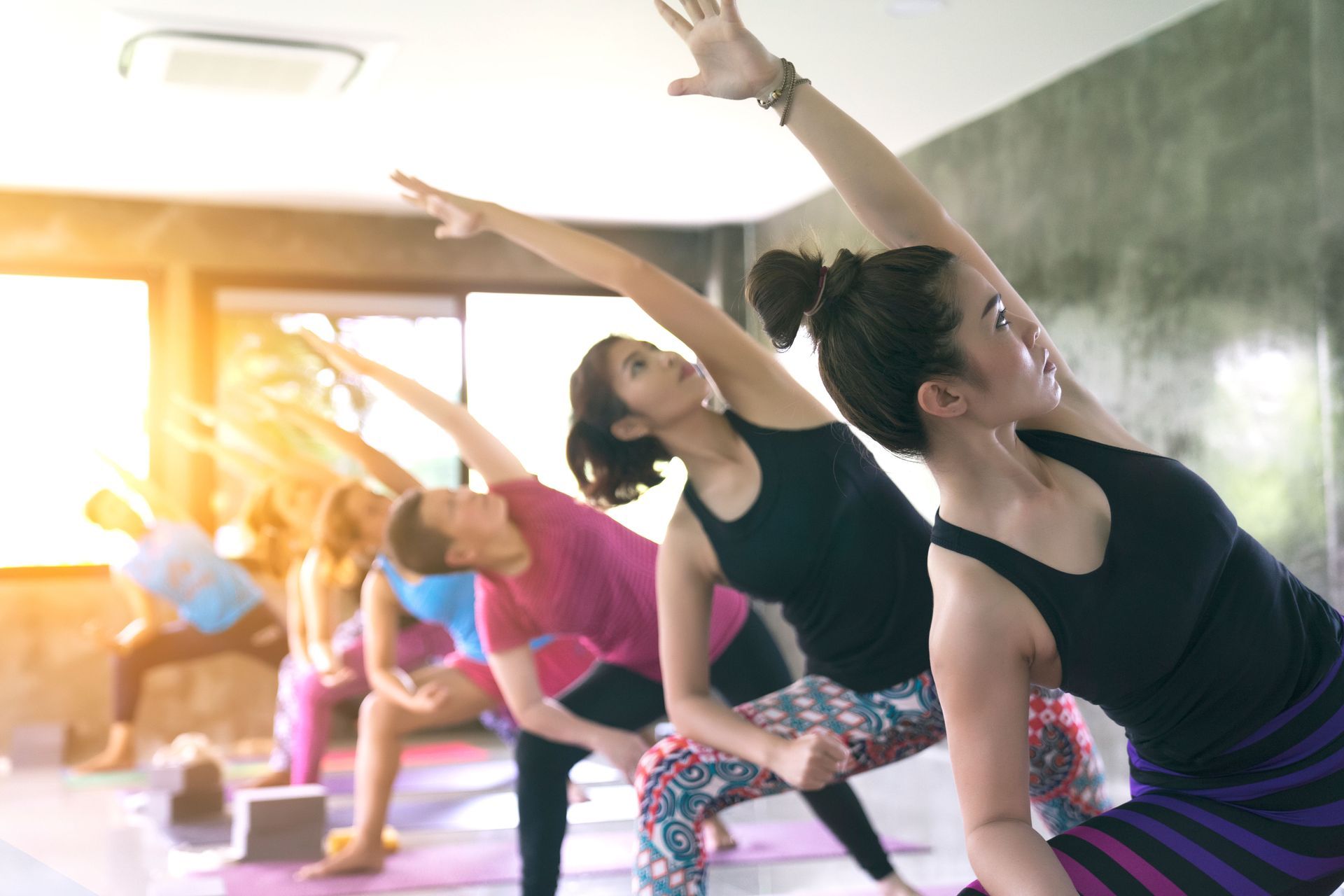
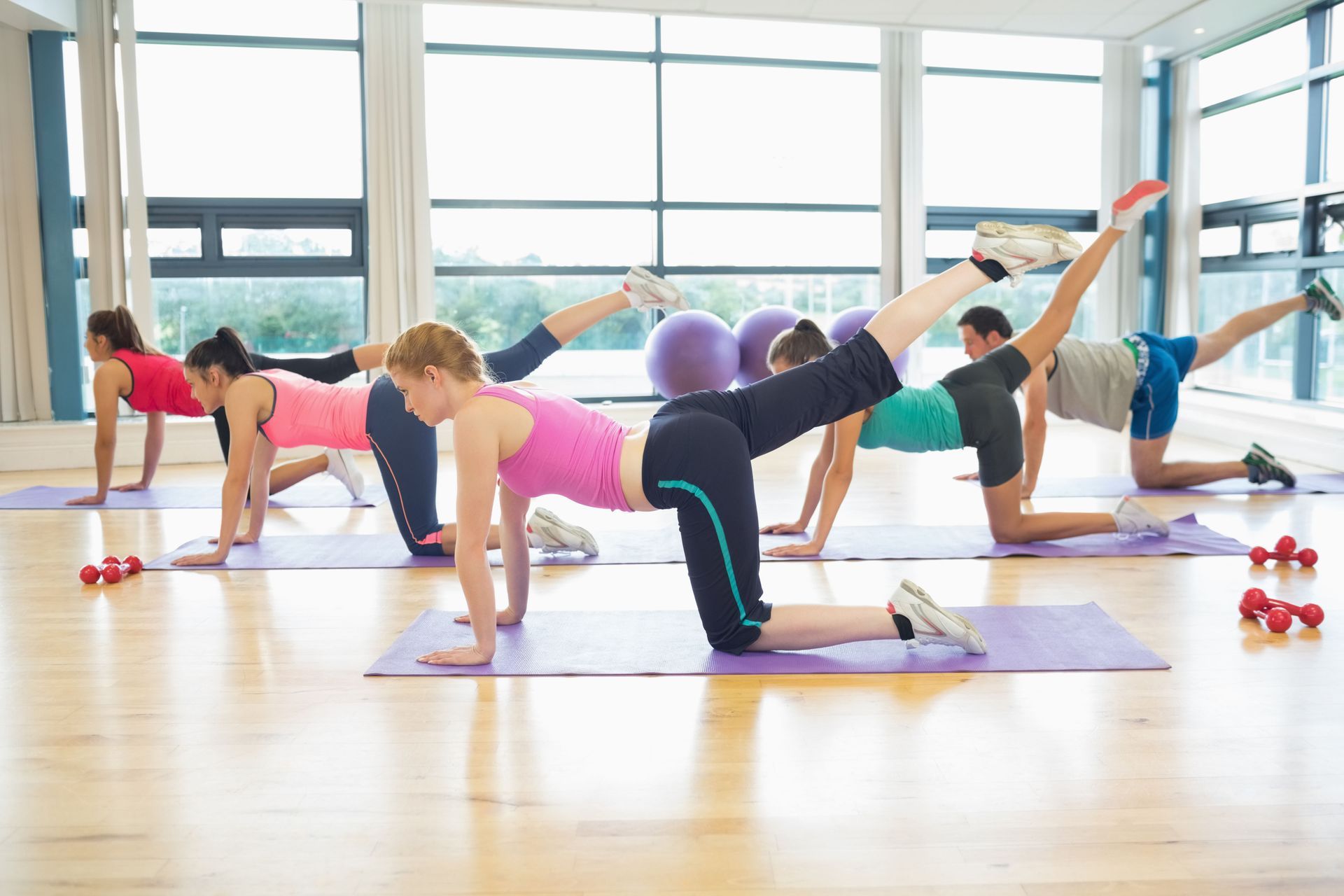
Building real physical strength does not require putting your joints through heavy weightlifting or high-impact jumping routines. Utilizing targeted bodyweight resistance and specialized spring tension settings allows you to challenge your muscle fibers progressively without irritating old sports injuries or worn cartilage. Attending a structured group workout or a dedicated pilates class helps you condition your muscles evenly, ensuring that both sides of your body develop balanced power and core control.
Extending Your Functional Range of Motion
Long-term structural flexibility requires a careful balance of targeted muscle elongation and active joint stabilization to prevent overstretching injuries. Dedicated core work in a pilates class focuses heavily on dynamic stretching sequences that lengthen hypertonic muscle groups while simultaneously strengthening the opposing muscle structures.
- Booking a professional pilates class to unlock hidden hip and shoulder mobility gaps.
- Releasing tight, overactive muscle groups along your hamstrings and lower back.
- Creating optimal spacing between spinal discs to minimize chronic nerve pressure.
Using these smart mobility techniques restores natural elasticity to your tissue, allowing you to move through your day with greater physical comfort.
Achieving Better Body Alignment and Symmetry
Poor ergonomic habits—such as slouching over an office computer desk or tilting your pelvis forward while standing—put continuous stress on your spinal ligaments. Group conditioning sessions target the hidden structural imbalances that pull your frame out of alignment, helping you pull your shoulders back and open up your chest naturally. Correcting these muscular imbalances alters your physical presence, helping you carry yourself with relaxed confidence and reducing upper-body fatigue.
Sustaining Physical Stamina and Balance
Improving your balance requires regular stimulation of your inner ear pathways and deep proprioceptive sensors located throughout your ankles and core walls. Group workouts challenge your stability dynamically by incorporating asymmetrical holds, single-leg balancing tracks, and side-lying sequences that mimic real-world challenges. Consistently engaging in a structured pilates class trains your neuromuscular system to respond rapidly to unexpected shifts in your footing, protecting you from sudden slips and falls while improving your stamina.
Integrating Complementary Training Modalities
Athletes who participate in heavy weightlifting, long-distance running, or high-intensity interval training frequently develop tight, overused muscle groups and minor joint misalignments. Adding a professional pilates class to your weekly recovery routine serves as an exceptional way to flush out metabolic waste, restore joint tracking symmetry, and activate sleepy core muscles. This intelligent cross-training method balances out the heavy compression forces caused by impact sports, letting your body heal cleanly so you can break through stubborn performance plateaus.
Tailoring Modifications for Individual Progression
The mechanical exercises utilized in group fitness sessions are highly adaptable, allowing anyone to modify movements to match their physical capabilities. Whether you are recovering from a major surgical procedure or preparing for an athletic event, specialized instructors use target modifications to keep your workouts safe and highly productive. Utilizing resistance bands, foam blocks, and adjustable reformer spring decks allows you to customize the load profile of each movement, ensuring you progress at a healthy, sustainable pace.
Selecting Your Professional Movement Partners
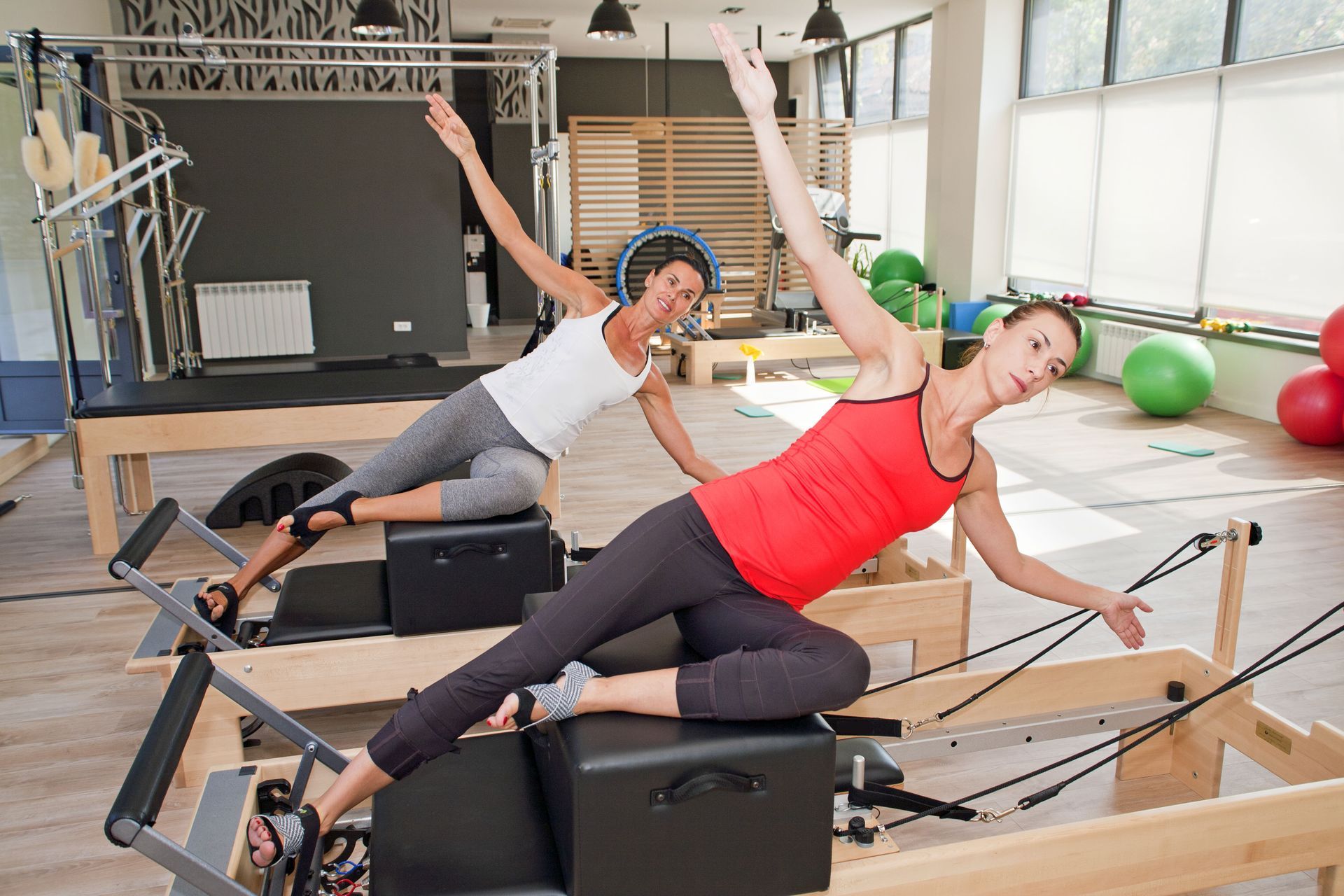
While following generic online workout videos at home might seem like a simple way to save on upfront monthly gym memberships, matching the structural results of a specialized training environment requires professional hands-on instruction. Joining an established studio environment gives you direct access to commercial reformers, tower units, and specialized mat equipment that help guide your body into perfect alignment. Working directly with trained fitness coaches protects you from common form mistakes, keeps your form pristine, and ensures your workout tracks are perfectly optimized for your current experience level.
Committing to a consistent low-impact core conditioning schedule helps property owners protect their joint mobility, lower their daily stress levels, and maximize their athletic longevity. Partnering with a dedicated local studio ensures that your alignment goals, breath patterns, and strength upgrades are managed with complete precision.
When your body requires experienced movement coaching, precise alignment tracking, or high-performance core updates, selecting a team with a proven track record yields outstanding results. Contact Sweat HB to manage your upcoming wellness transformations. Enrolling in an introductory pilates class allows you to analyze your baseline mobility under realistic guidance, verify your core strength limits, and map out a precise exercise pathway that keeps your physical body functional.
Share On: